In a chilling surge of antisemitic violence, a 17-year-old has admitted to attempting to firebomb Kenton United Synagogue in North London’s Harrow, marking the latest in a string of attacks that have terrorized Jewish communities. This brazen act, occurring just after midnight on a Saturday, underscores a disturbing rise in hate crimes linked to the Gaza conflict, leaving British Jews living in fear and demanding urgent action.
Authorities are racing to contain the escalating threat, with the Metropolitan Police treating these incidents as coordinated hate crimes. The synagogue attack involved smashing a window and hurling a lit missile, causing smoke damage but no injuries. It’s part of a broader pattern that has seen Jewish institutions targeted relentlessly in recent weeks, eroding the sense of safety for minorities in a diverse city.
Just weeks earlier, four ambulances operated by a Jewish volunteer service in Golders Green were torched in an arson attack, with oxygen cylinders exploding and residents fleeing in panic. Witnesses described chaotic scenes, as families in pajamas emerged from nearby flats amid loud blasts, highlighting the random terror inflicted on everyday life.
Experts warn this wave is far from isolated. David Wood, crime editor for The Times, revealed that four individuals have been charged in connection with the Golders Green fires and are set to appear in court. Police statements emphasize a focus on “thugs for hire,“ suggesting organized elements behind these acts, which have intensified since the Gaza war began.
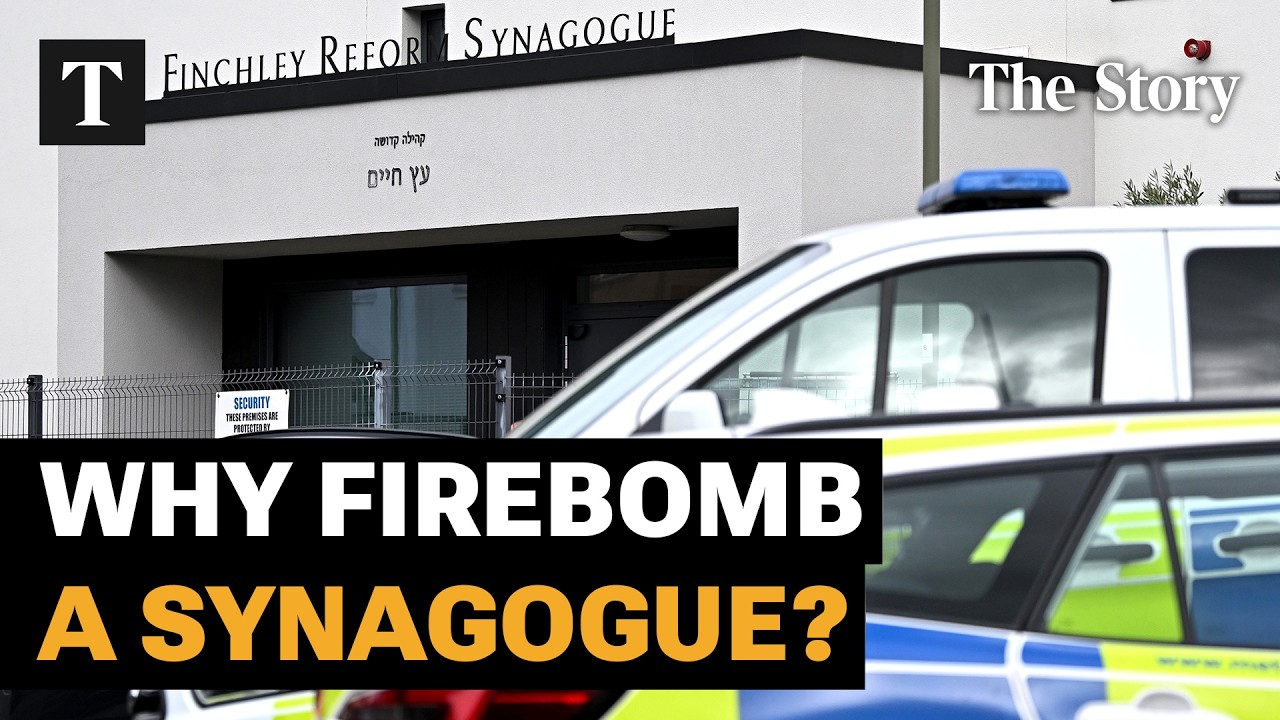
Adding to the alarm, balaclava-wearing suspects targeted Finchley Reform Synagogue, hurling bricks and bottles in the dead of night. A local MP condemned the attack, vowing it must not become the new norm, as a 46-year-old man and 47-year-old woman were arrested on suspicion of arson with intent to endanger life.
The violence extends beyond synagogues. An ignited container was thrown into the car park of a Persian media company in Wembley, while suspicious substances were found near Jewish organizations in Hendon and Kensington Gardens. A 39-year-old man remains in custody under terrorism laws, as investigators probe potential links.
Sunday Times associate editor Josh Glancy shared a personal account of the fear gripping his community. He described attending a Judaism class at his West Finchley synagogue, only to learn hours later that petrol bombs had been thrown at the building. “It’s distressing and jarring,“ he said, capturing the psychological toll.
Glancy emphasized that these attacks feel like psychological warfare, with limited physical damage but profound intimidation. He criticized a broader societal “lack of moral clarity,“ where some online voices blame the Jewish community for Middle East events, blurring the line between protest and hate.
Chief Rabbi Sir Ephraim Mirvis labeled these incidents a “sustained campaign of violence and intimidation,“ urging national attention. In London, a city of nine million people built on multi-ethnic harmony, the attacks threaten the very fabric of coexistence, forcing Jewish families to adopt security measures once seen as precautions.
Parents now train children in primary schools on terror responses, while synagogues deploy armed guards and sniffer dogs. Glancy noted the loss of simple freedoms, like chatting outside after services, now replaced by hurried exits amid heightened risks. “We’re starting to lose our basic rights to feel safe,“ he warned.
Politicians across parties have condemned the attacks, with Prime Minister pledges for increased funding to groups like the Community Security Trust. Yet, critics argue the response remains insufficient, as antisemitic incidents climb without a proportional outcry.
The 17-year-old’s guilty plea in court brought raw emotion, with his parents weeping as charges were read. Reporting restrictions shield his identity, but the case spotlights a youth radicalized amid global tensions, raising questions about prevention.
As investigations continue, with seven more arrests linked to a potential conspiracy, the Jewish community braces for more. This isn’t just about synagogues; it’s an 𝒶𝓈𝓈𝒶𝓊𝓁𝓉 on Britain’s ability to live as a united, tolerant society, free from sectarian divides.
The urgency is palpable. Police patrols have increased, but the message is clear: tolerance must prevail, or the shadow of hate will deepen. British Jews, long integral to the nation’s story, now stand on the front lines of a battle for shared humanity.
In this moment of crisis, the call for solidarity grows louder. Attacks like these demand swift justice and a societal stand against bigotry, ensuring that fear doesn’t define daily life in one of the world’s great cities. The story of British Jews under attack is a wake-up call for all.