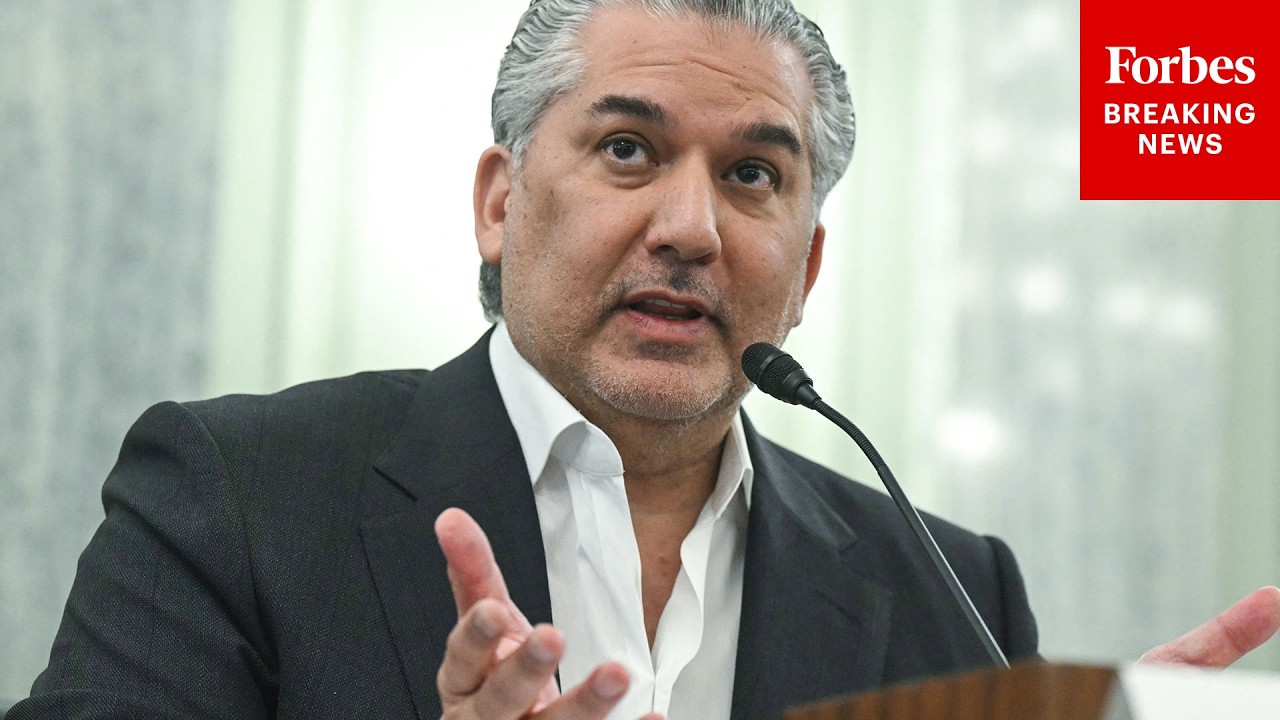
In a stunning congressional hearing, WWE President Nick Khan has laid bare the catastrophic failures plaguing the U.S. boxing system, calling for urgent reforms to salvage a once-dominant sport. Testifying before a Senate committee, Khan, a lifelong boxing fan and key figure in Zuffa Boxing and TKO Group Holdings, detailed how the industry has crumbled from its golden era, urging lawmakers to act swiftly on the Muhammad Ali Boxing Revival Act.
Khan painted a vivid picture of boxing’s decline, contrasting its peak in the 1970s and 1980s with today’s fractured landscape. Fifty years ago, icons like Muhammad Ali drew massive global audiences, with fights like the Rumble in the Jungle captivating over 700 million viewers. Back then, boxing outshone football and basketball in cultural impact, producing stars who commanded fortunes far exceeding average NFL salaries.
Yet, Khan warned, the U.S. has not secured a men’s Olympic gold in boxing for over two decades, a stark fall from the nine golds won in 1984. This erosion stems from a lack of unified governance, he argued, leaving the sport in the hands of self-serving sanctioning bodies that prioritize profits over fighters’ welfare. These entities recognize a bloated 163 champions across just 18 weight classes, siphoning fees directly from boxers’ earnings.
The system, Khan emphasized, exploits fighters through excessive sanctioning fees, often deducting 3% from both champions and challengers. This predatory model stifles talent development and drives top athletes away from the ring. To combat this, he strongly endorsed the Muhammad Ali Boxing Revival Act, which would introduce unified boxing organizations to enforce standards and foster competition.
Under this proposed framework, boxers would gain essential protections, starting with a minimum pay of $200 per round—surpassing most state requirements and matching California’s highest standard. Khan stressed that this reform would ensure fighters aren’t forced to compete for peanuts, addressing a core issue that has deterred promising talent from pursuing the sport.
Equally critical, Khan highlighted the need for mandatory injury insurance worth $50,000 per bout, provided at no cost to boxers. Currently, thousands enter the ring uninsured, often fighting through injuries sustained in training camps. The new system would extend coverage from the start of camp, preventing athletes from risking their health for a paycheck and potentially saving lives in a brutally physical sport.
Another key reform Khan advocated is a six-year cap on promotional contracts, mirroring rookie deals in baseball and football. This would grant boxers true free agency, allowing them to negotiate fairly after their initial commitments. Combined with standardized medical protocols—like annual brain MRIs, cardiac tests, and brain health screenings—fighters would finally receive the safeguards they deserve.
Khan pointed to the UFC’s partnership with the Cleveland Clinic as a model for boxing’s future, underscoring how proactive health measures could restore trust in the sport. He made it clear that anyone could form a unified boxing organization, as long as they adhere to these protections, emphasizing that the bill is about fairness, not favoritism.
Opposition from sanctioning bodies is expected, Khan noted, as the reforms directly challenge their lucrative dominance. Yet, with the 2028 Olympics returning to Los Angeles—the same city where U.S. boxers once triumphed—there’s a golden opportunity to rebuild. If Congress delays, America risks watching its own athletes fade into obscurity on the world stage.
To ignite this revival, Khan announced an immediate $1 million commitment from his organizations to support pathways from amateur to professional ranks. This funding will target groups like the Police Athletic Leagues, which have historically nurtured talents such as a young Cassius Clay, ensuring grassroots development begins now.
The urgency of Khan’s message resonated throughout the hearing, as he urged bipartisan action to prevent further decline. “Boxing was once America’s sporting crown jewel,“ he told the committee, “but without swift intervention, we’ll be mere spectators in our own arena.“ His testimony has sparked widespread debate, with boxing enthusiasts and industry insiders rallying for change.
Experts agree that Khan’s revelations could mark a turning point, especially as public interest in combat sports surges. The lack of structure has not only hurt fighters but also diminished the sport’s appeal to younger audiences, who now favor more organized leagues. This hearing might finally force a reckoning, pushing stakeholders to prioritize athlete welfare over outdated practices.
In the coming days, lawmakers are expected to deliberate on the bill, with Khan’s passionate advocacy amplifying the call for reform. His dual role in WWE and boxing adds a unique perspective, blending entertainment savvy with a deep understanding of athletic business models. As the clock ticks toward 2028, the fate of U.S. boxing hangs in the balance.
Khan’s commitment extends beyond words, with the $1 million pledge aimed at revitalizing community programs that introduce kids to the sport. By investing in local gyms and youth initiatives, he’s laying the groundwork for a new generation of champions, potentially reversing decades of neglect.
This breaking development underscores a broader crisis in American sports, where regulatory gaps allow exploitation to thrive. Khan’s testimony serves as a wake-up call, demanding that Congress act decisively to protect fighters and restore boxing’s legacy. The world is watching, and the time for change is now.